Demolition Services and Site Cleanup: What Happens After the Structure Comes Down
Bringing down a structure is only the beginning. Demolition services involve much more than the moment a building comes down, and understanding the full post-demolition process helps property owners in Marshalltown, IA, plan smarter and avoid costly surprises. From debris removal to lot grading, each step matters before a new build can move forward.
Why Post-Demolition Work Matters as Much as the Takedown
Post-demolition work sets the foundation for everything that follows. Without it, a cleared lot can become a liability rather than an asset.
Once a structure has been knocked down, the site is typically left with broken concrete, twisted metal, lumber, insulation, and other mixed debris. This material must be sorted, hauled away, and in some cases recycled or disposed of according to Iowa environmental guidelines. Marshall County properties may also need to follow local ordinances on waste disposal and soil disturbance. Working with an experienced crew from the start helps you stay on the right side of those requirements.
Debris removal can take anywhere from a day to several days depending on structure size and material type. Heavier materials like concrete and masonry require specialized equipment to load and transport. Proper removal also protects the soil beneath, which matters significantly when the lot is being prepared for new construction.
What Does Slab and Foundation Removal Actually Involve?
Slab and foundation removal is one of the most labor-intensive steps in the post-demolition process. Concrete slabs and poured foundations do not break apart easily.
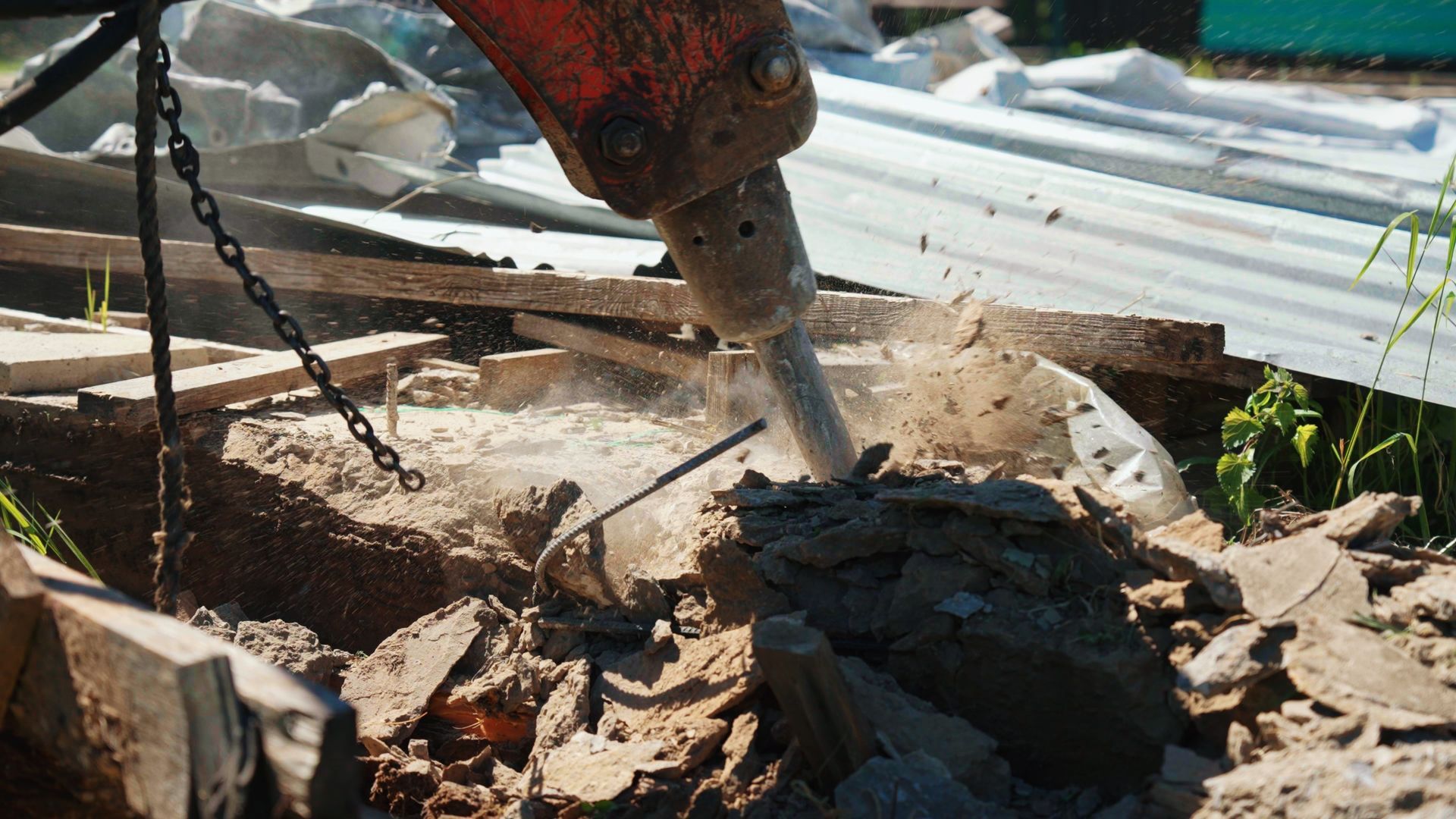
Crews typically use heavy excavators and hydraulic breakers to fracture and lift concrete sections, which are then loaded into dump trucks for hauling. Depending on the depth of the original foundation, crews may also need to address footings extending several feet below grade. In central Iowa, frost depth can reach below three feet in winter, so older foundations often run deeper than property owners expect.
If the original structure had a basement, that void must be properly backfilled after the foundation walls are removed. Leaving an open or poorly filled basement cavity can cause dangerous ground settling. Backfill material must be compacted in layers to create stable, load-bearing ground. Learn more about how equipment-driven dirt work supports these jobs on the
excavation services page.
What About Utilities and Underground Hazards?
Before demolition and site cleanup begin, underground utilities must be located and properly capped or disconnected. This includes water lines, sewer connections, gas lines, and electrical conduits. Iowa One Call requires notification before any digging, and failing to do so can result in dangerous situations and legal exposure for the property owner. A qualified crew will coordinate this step before ground is broken.
Old septic systems or private wells may also be present on rural Marshall County properties. These require specific decommissioning procedures under Iowa Department of Natural Resources rules.
Grading the Lot After Demolition
Grading reshapes the soil surface to create proper drainage and a level building pad. This step is essential before any new construction begins.
After debris and foundations have been cleared, the exposed soil is often uneven and inconsistently compacted. Grading brings the lot to a uniform elevation that meets the site plan and establishes proper slopes for water runoff. In Marshalltown, IA, where spring rains and seasonal freeze-thaw cycles can shift soil significantly, proper grading is not optional.
Dozers and motor graders handle most of this work, with skid loaders used for finish grading on smaller lots. The goal is a stable, compacted sub-grade that can support a foundation without settling.
Does the Lot Need a Soil Compaction Test Before Building?
Soil compaction testing may be required or strongly recommended before a new foundation is poured. After significant excavation and backfill work, loose soil can retain voids that lead to uneven settling. A compaction test confirms whether the sub-grade meets density requirements for the planned structure. Many local building departments and lenders require documentation of compaction results before permits are issued or financing is approved.
Preparing the Lot for a New Build
A properly prepared lot makes the construction phase faster, safer, and more cost-effective.
Once grading is complete, topsoil may need to be brought in if the original grade removed nutrient-bearing layers. Erosion controls such as silt fencing or seeding may also be required while the lot sits bare, particularly near drainage swales or waterways. Rural Marshall County properties near streams or wetlands may fall under additional setback and disturbance rules.
Access for construction equipment also needs consideration. A temporary gravel drive or stabilized access route can prevent heavy trucks from rutting the site before the build begins, saving additional grading work later.
Scheduling demolition services early in the planning process helps ensure site prep and cleanup are coordinated rather than treated as separate tasks. Working with one team from teardown through lot preparation keeps every phase on track.
Ready to Start Your Project in Marshalltown, IA?
Mitchell Land Management serves property owners across Marshalltown, IA, and the surrounding area with professional demolition services, site cleanup, foundation removal, grading, and excavation work. Whether you are clearing a lot for a new home, removing an old outbuilding, or preparing a commercial site, the right crew makes every phase cleaner and more efficient. Call (641) 691-6941 to request a free estimate, contact the team online, or find Mitchell Land Management on Google to read reviews from local customers.